
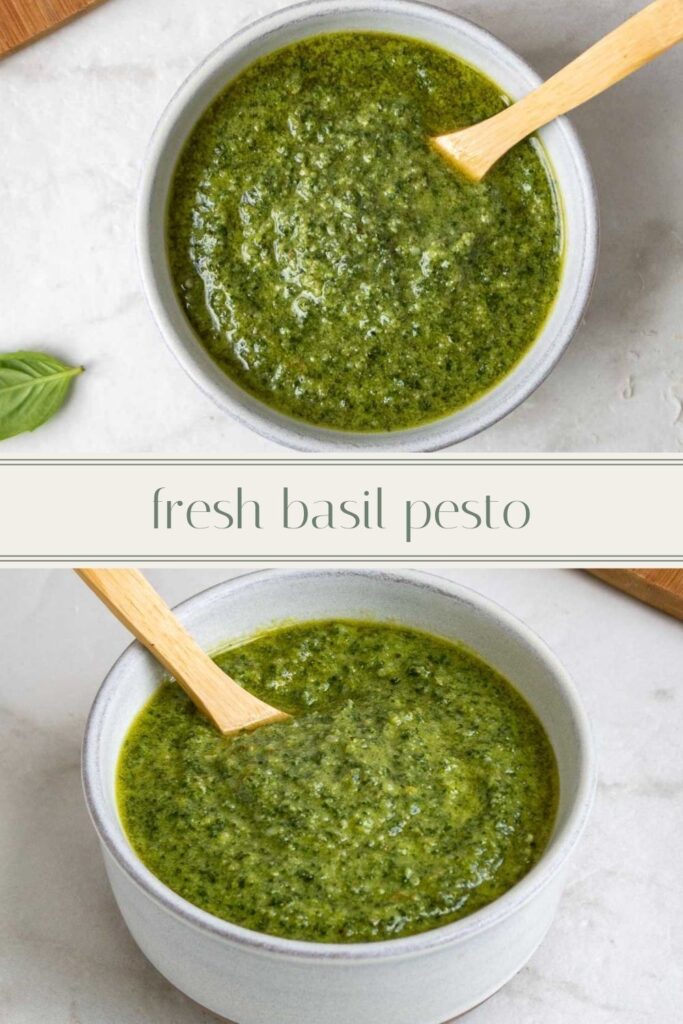
There's a reason pesto is the poster child for 'simple yet sophisticated.' It's a sauce that transforms a pile of pasta or a simple sandwich into something that feels like a trattoria special, all in the time it takes to boil water. But the jarred stuff? It's often a pale, oily imitation of the real thing, with a bitter aftertaste and a texture that's more like a paste than a sauce.
Advertisements1
This homemade pesto is my answer to that. It's a study in balance: the sweet, resinous pine nuts, the peppery brightness of fresh basil, the salty tang of Parmesan, and the fruity backbone of extra-virgin olive oil. When you blend these ingredients in the right proportions, you get a sauce that's creamy, vibrant, and bursting with flavor—a far cry from anything you'll find on a grocery store shelf.
The best part? It's forgiving. You can adjust it to your taste, swap in other nuts, or add a squeeze of lemon for brightness. Once you see how easy it is, you'll never go back to the jar.
Why You'll Love This Recipe
About the Ingredients
2 cups (40g) fresh basil leaves, tightly packed
Use fresh, vibrant green leaves. Avoid wilted or dark-spotted basil. If you have extra, you can freeze it in olive oil.
1/2 cup (60g) pine nuts
Pine nuts are traditional, but they can be pricey. You can substitute with walnuts or almonds for a budget-friendly option.
1/2 cup (50g) grated Parmesan cheese
Use a good quality Parmigiano-Reggiano for the best flavor. Pre-grated cheese often contains anti-caking agents that affect texture.
2 cloves garlic, roughly chopped
Fresh garlic is essential. If you need a shortcut, use 1/2 teaspoon of garlic paste, but avoid jarred minced garlic.
1/2 cup (120ml) extra-virgin olive oil
Use a good quality olive oil with a fruity flavor. You can substitute with a neutral oil like avocado oil for a milder taste.
1/4 teaspoon salt, plus more to taste
Fine sea salt is best. You can adjust the amount to your preference, keeping in mind that Parmesan is already salty.
1/4 teaspoon black pepper, freshly ground
Freshly ground pepper adds a subtle heat. Pre-ground pepper works, but the flavor is less pronounced.
1 tablespoon lemon juice (optional)
A squeeze of lemon brightens the pesto and helps preserve its green color. Omit if you prefer a more traditional flavor.
Tips & Tricks
Toast the pine nuts
Toasting brings out their nutty flavor and prevents a raw, bitter taste. Watch them carefully—they burn quickly.
Blanch the basil
To keep the pesto bright green, blanch the basil leaves in boiling water for 5 seconds, then shock in ice water. This is optional but helps prevent oxidation.
Don't over-process
Pulse the ingredients rather than running the food processor continuously. You want a slightly coarse texture, not a smooth puree.
Pro Tips
Step-by-Step Instructions
1. Toast the Pine Nuts
In a dry skillet over medium heat (350°F/175°C), toast the pine nuts for 3-4 minutes, shaking the pan frequently, until they are fragrant and lightly golden brown. Watch carefully—they burn quickly. Remove from heat and let cool completely.
2. Prep the Basil
Rinse the basil leaves and pat them completely dry. If you want a brighter green color, blanch them in boiling water for 5 seconds, then immediately transfer to an ice bath. Squeeze out excess water.
3. Pulse the Ingredients
In a food processor, combine the toasted pine nuts, garlic, and salt. Pulse until finely chopped. Add the basil and Parmesan cheese, and pulse a few times until everything is coarsely chopped.
4. Drizzle in Olive Oil
With the processor running, slowly drizzle in the olive oil through the feed tube. Process until the pesto is smooth and creamy, but still has a slight texture. You may need to stop and scrape down the sides.
5. Season to Taste
Add the black pepper and lemon juice (if using). Pulse a few times to combine. Taste and adjust salt and pepper as needed. If the pesto is too thick, add a tablespoon of water or olive oil.
6. Store or Serve
Use immediately, or transfer to a jar and cover with a thin layer of olive oil to prevent browning. Store in the refrigerator for up to 5 days.
Delicious Variations
Sun-Dried Tomato Pesto
Add 1/2 cup of sun-dried tomatoes (rehydrated if dry) along with the basil for a sweet and tangy twist.
Arugula Pesto
Substitute half of the basil with arugula for a peppery kick. Add a handful of spinach to maintain the green color.
Vegan Pesto
Replace the Parmesan with 2 tablespoons of nutritional yeast and add an extra tablespoon of pine nuts for creaminess.
How to Store Homemade Pine Nut Pesto
Refrigerator
Store in an airtight container with a thin layer of olive oil on top to prevent browning. It will keep for up to 5 days.
Freezer
Freeze in ice cube trays for up to 3 months. Once frozen, transfer cubes to a zip-top bag. Thaw in the refrigerator or add directly to hot pasta.
Reheating
No need to reheat. If using on pasta, toss with hot pasta and a splash of pasta water to create a creamy sauce.
Frequently Asked Questions
Q: Can I make pesto without pine nuts?
Yes, you can substitute pine nuts with walnuts, almonds, or even sunflower seeds. Toast them first for extra flavor. The texture will be slightly different but still delicious.
Q: How do I keep pesto from turning brown?
To keep pesto bright green, blanch the basil before blending, and store it with a layer of olive oil on top. The oil creates an airtight seal that prevents oxidation.
Q: Can I freeze pesto?
Absolutely! Freeze pesto in ice cube trays, then transfer the cubes to a freezer bag. It will keep for up to 3 months. Thaw in the refrigerator or add directly to hot dishes.
Q: What can I use pesto for besides pasta?
Pesto is versatile: spread it on sandwiches, swirl into soups, dollop on grilled chicken or fish, use as a pizza sauce, or mix into mayonnaise for a quick aioli.
Ready to ditch the jar for good? Whip up this vibrant pesto tonight and taste the difference. Your pasta—and your taste buds—will thank you. If you loved this recipe, share your creations with us on social media and tag us. Happy cooking!
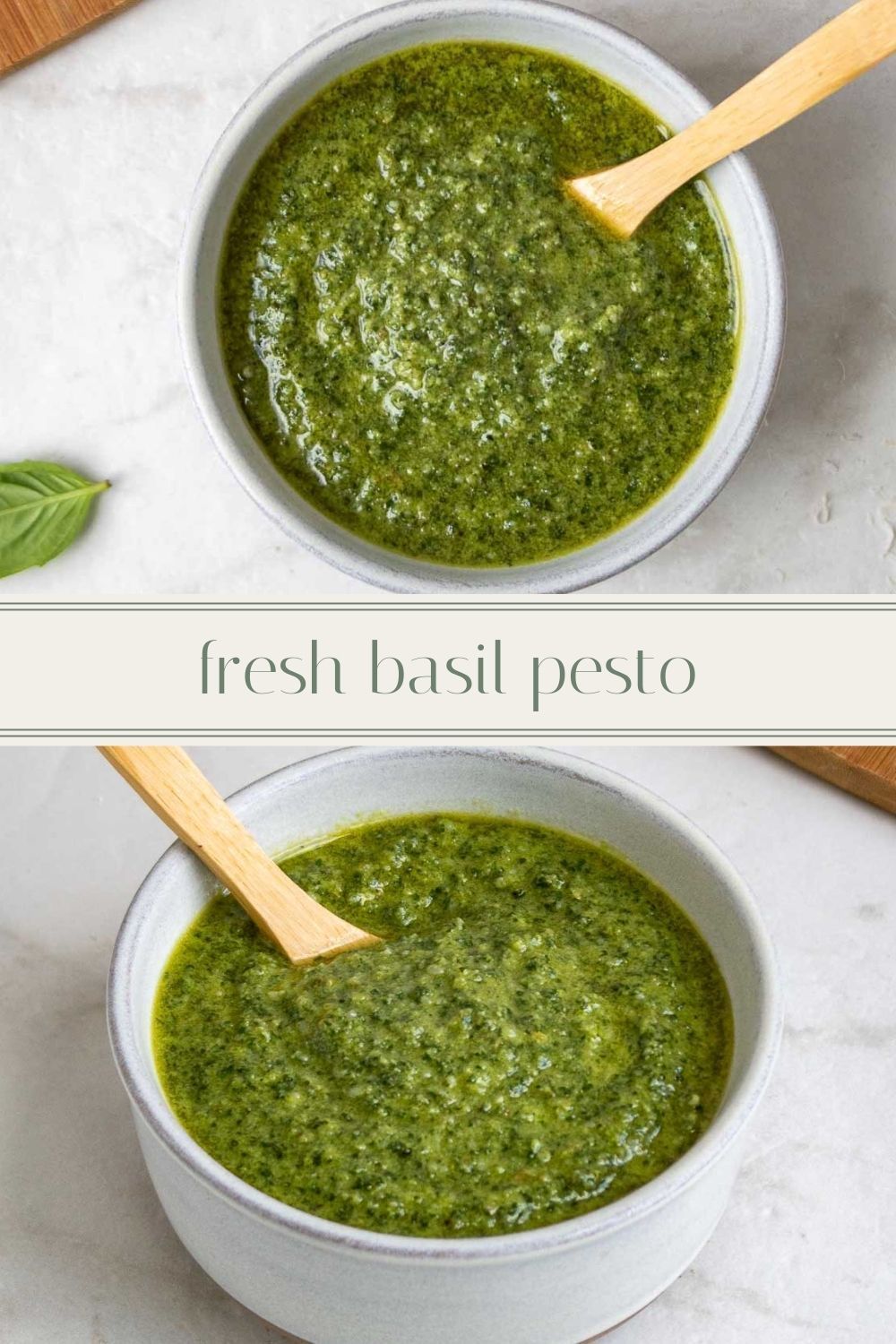
Homemade Pine Nut Pesto
Fresh basil, toasted pine nuts, and Parmesan blended into a vibrant, creamy pesto that elevates any dish.
🧂 Ingredients
- 2 cups (40g) fresh basil leaves, tightly packed
- 1/2 cup (60g) pine nuts
- 1/2 cup (50g) grated Parmesan cheese
- 2 cloves garlic, roughly chopped
- 1/2 cup (120ml) extra-virgin olive oil
- 1/4 teaspoon salt, plus more to taste
- 1/4 teaspoon black pepper, freshly ground
- 1 tablespoon lemon juice (optional)
📋 Instructions
- 1Toast the Pine Nuts — In a dry skillet over medium heat (350°F/175°C), toast the pine nuts for 3-4 minutes, shaking the pan frequently, until they are fragrant and lightly golden brown. Watch carefully—they burn quickly. Remove from heat and let cool completely.
- 2Prep the Basil — Rinse the basil leaves and pat them completely dry. If you want a brighter green color, blanch them in boiling water for 5 seconds, then immediately transfer to an ice bath. Squeeze out excess water.
- 3Pulse the Ingredients — In a food processor, combine the toasted pine nuts, garlic, and salt. Pulse until finely chopped. Add the basil and Parmesan cheese, and pulse a few times until everything is coarsely chopped.
- 4Drizzle in Olive Oil — With the processor running, slowly drizzle in the olive oil through the feed tube. Process until the pesto is smooth and creamy, but still has a slight texture. You may need to stop and scrape down the sides.
- 5Season to Taste — Add the black pepper and lemon juice (if using). Pulse a few times to combine. Taste and adjust salt and pepper as needed. If the pesto is too thick, add a tablespoon of water or olive oil.
- 6Store or Serve — Use immediately, or transfer to a jar and cover with a thin layer of olive oil to prevent browning. Store in the refrigerator for up to 5 days.

Liam writes about personal finance for young professionals, covering budgeting, saving, and investing basics. He focuses on debunking myths and building long-term financial habits.