
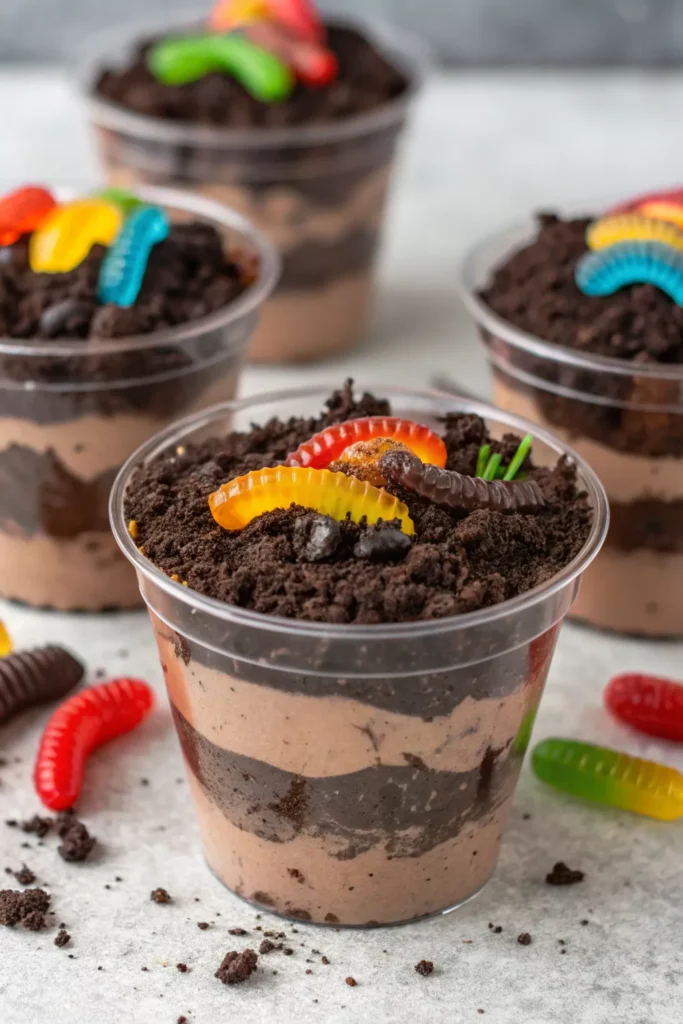
Most people think gummy worms come out of a factory and nowhere else. This gummy worms recipe proves that wrong: gelatin, fruit juice, sugar, and a silicone worm mold are all you need to make candy that bends, stretches, and snaps back exactly like the bagged stuff. Think of gelatin as scaffolding – the protein strands trap liquid in a mesh, and once that mesh sets, you get that signature rubbery chew.
Advertisements1
The real trick is bloom time and temperature. If you dump dry gelatin into hot syrup, you get clumps that never dissolve and a grainy, cloudy worm. If you let the gelatin hydrate in cold juice for 10 minutes first, it melts into a glass-clear mixture that sets evenly and tastes like actual fruit instead of perfume.
This batch makes 6 generous servings – roughly 48 worms depending on your mold – for a fraction of what gourmet gummy candy costs at the store. Total time is about 50 minutes, most of it hands-off chilling. Keep your money moving.
Why You'll Love This Recipe
About the Ingredients
1 cup (240 ml) cold 100% white grape juice, divided
White grape juice keeps the color neutral so your food coloring reads true. Substitute apple juice or pear juice if grape is unavailable – both are mild and won't fight your flavor extracts.
1 cup (240 ml) fruit juice or nectar of choice (mango, cherry, or strawberry)
Nectar gives a richer, thicker flavor than thin juice. Buy shelf-stable nectar in the international aisle rather than refrigerated juice, which is often watered down.
3 tablespoons (24 g) unflavored powdered gelatin (about 3 standard envelopes)
Knox brand is the reliable supermarket pick; gelatin sheets work too – use 12 sheets, bloomed in ice water. Don't substitute agar, which sets brittle instead of chewy.
1/2 cup (100 g) granulated sugar
White sugar dissolves cleanly and won't tint the mixture. If you want a deeper flavor, replace 2 tablespoons with honey, but expect a slightly softer set.
2 tablespoons (40 g) light corn syrup
Corn syrup prevents crystallization and keeps the worms flexible. Substitute glucose syrup or brown rice syrup if you avoid corn.
1 to 2 teaspoons citric acid, divided
Citric acid delivers the sour punch; find it in the canning section or online. Substitute 1 tablespoon lemon juice in the mixture and skip the coating if you can't source it.
1/4 teaspoon fine sea salt
Salt sharpens fruit flavor the way a pinch does in lemonade. Table salt works, but reduce to a scant 1/8 teaspoon since it's finer and saltier by volume.
1/2 teaspoon fruit extract (strawberry, cherry, or mango)
Extracts are far stronger than juice, so a little goes far. Alcohol-based extracts are fine; add them off the heat so the aroma doesn't cook off.
Gel food coloring (red, yellow, blue as needed)
Gel paste beats liquid drops because it adds intense color without extra water that weakens the set. If using liquid, add 1/4 teaspoon at a time.
1/2 cup (100 g) granulated sugar, for coating
Fine or superfine sugar clings better than coarse. Pulse coarse sugar in a blender for 10 seconds if that's all you have.
Nonstick cooking spray, for the molds
A neutral oil spray releases cleanly without flavor transfer. Brush with a neutral oil like refined coconut instead if you don't keep spray on hand.
Tips & Tricks
Bloom before you heat
Sprinkle gelatin over cold juice and wait a full 10 minutes until it looks like wet sand. Skipping this step is the number one cause of grainy, rubbery worms.
Never boil the mixture
Once gelatin is in, keep the heat at a bare simmer, around 160F (71C). Boiling degrades gelatin's gelling power and you'll end up with syrup that never sets.
Spray the mold thoroughly
Get into every crevice of the worm cavities. Missed spots tear the worms on release and leave half the batch stuck to the silicone.
Coat within 24 hours
The sour sugar coating absorbs moisture and turns syrupy after a day. Toss worms in the citric sugar mix right before serving for the crunchiest, tartest shell.
Pro Tips
Step-by-Step Instructions
1. Bloom the gelatin
Pour 1/2 cup (120 ml) cold white grape juice into a small bowl and sprinkle all 3 tablespoons of gelatin evenly across the surface. Let it sit 10 minutes until the mixture looks like wet sand and no dry powder remains. This hydrates every granule so it dissolves smoothly later.
2. Warm the juice base
Combine the remaining 1/2 cup grape juice, 1 cup fruit juice, 1/2 cup sugar, corn syrup, and salt in a medium saucepan. Warm over medium heat, stirring, until the sugar dissolves completely and the liquid steams but does not boil, roughly 3 to 4 minutes at 160F (71C). You should see faint steam and small bubbles clinging to the pan wall, never a rolling boil.
3. Melt in the gelatin
Add the bloomed gelatin to the warm juice and stir constantly for 2 to 3 minutes until it dissolves fully. The mixture should turn completely clear with no visible grains when you tilt the pan. If you see specks, keep stirring over low heat – don't crank the temperature.
4. Flavor and color
Remove the pan from the heat and stir in the fruit extract and gel food coloring one drop at a time until you reach your target shade. Skim off any white foam with a spoon. Work quickly, because the mixture starts thickening as it cools.
5. Fill the molds
Lightly spray a silicone worm mold and set it on a sheet pan. Pour or pipe the warm mixture into each cavity, filling to just below the rim. Tap the pan on the counter a few times to pop trapped air bubbles, which otherwise become pinholes in the finished worms.
6. Chill until firm
Refrigerate the filled mold uncovered for 30 to 35 minutes, until the worms are firm to the touch and pull away from the mold sides cleanly. They should feel like a firm rubber eraser, not sticky or soft in the center.
7. Make the sour coating
Stir 1 to 2 teaspoons citric acid into 1/2 cup sugar in a shallow bowl, tasting as you go – start with 1 teaspoon for a mild tang and add more for a serious pucker. Set aside until the worms are fully set.
8. Release and coat
Peel the worms from the mold, pressing from the back if needed, and roll each one in the citric sugar until fully coated. Serve immediately or let them air-dry 20 minutes on a wire rack for a firmer, less sticky surface.
Delicious Variations
Sour Watermelon Worms
Use watermelon juice with 2 teaspoons citric acid in the coating and a drop of pink gel coloring for a candy-aisle classic.
Cola Worms
Replace the fruit juice with flat cola and add 1/4 teaspoon vanilla extract for a caramel-brown, soda-shop flavor.
Layered Rainbow Worms
Pour half the mixture in one color, chill 10 minutes, then top with a second color for two-tone worms that look store-bought.
How to Store Gummy Worms Recipe
Refrigerator
Store coated worms in an airtight container in the refrigerator for up to 2 weeks. Layer them between sheets of parchment so they don't fuse into one giant worm blob.
Freezer
Freeze in a single layer on a sheet pan for 1 hour, then transfer to a freezer bag for up to 3 months. Thaw at room temperature for 15 minutes before eating.
Reheating
No reheating needed. If worms get sticky, toss them in a fresh spoonful of citric sugar to dry the surface again.
Frequently Asked Questions
Q: Why are my gummy worms cloudy instead of clear?
Trapped air foam and undissolved gelatin cause cloudiness. Skim the white foam off the surface before pouring and stir the bloomed gelatin until the mixture is completely clear. Gel food coloring also keeps them clearer than liquid drops.
Grab a silicone worm mold, pick your favorite juice, and make a batch this weekend – once you nail the bloom-and-simmer rhythm, you'll never buy bagged gummy candy again. Try the sour watermelon version first and tell me how fast the batch disappears.
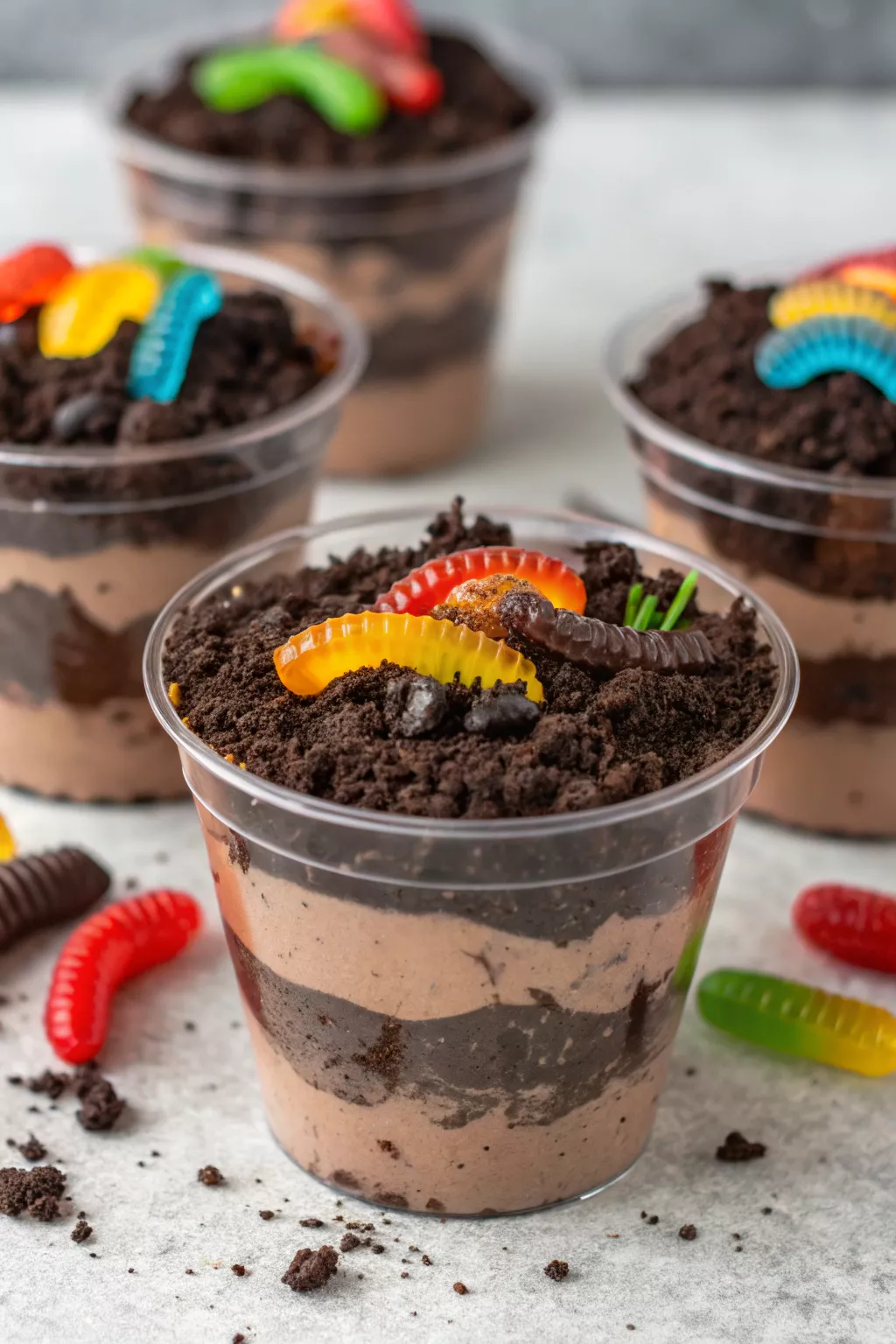
Gummy Worms Recipe
This gummy worms recipe makes chewy, fruit-juice-packed candy worms at home with real gelatin, no corn syrup, and a tangy sour sugar coating.
🧂 Ingredients
- 1 cup (240 ml) cold 100% white grape juice, divided
- 1 cup (240 ml) fruit juice or nectar of choice (mango, cherry, or strawberry)
- 3 tablespoons (24 g) unflavored powdered gelatin (about 3 standard envelopes)
- 1/2 cup (100 g) granulated sugar
- 2 tablespoons (40 g) light corn syrup
- 1 to 2 teaspoons citric acid, divided
- 1/4 teaspoon fine sea salt
- 1/2 teaspoon fruit extract (strawberry, cherry, or mango)
- Gel food coloring (red, yellow, blue as needed)
- 1/2 cup (100 g) granulated sugar, for coating
- Nonstick cooking spray, for the molds
📋 Instructions
- 1Bloom the gelatin — Pour 1/2 cup (120 ml) cold white grape juice into a small bowl and sprinkle all 3 tablespoons of gelatin evenly across the surface. Let it sit 10 minutes until the mixture looks like wet sand and no dry powder remains. This hydrates every granule so it dissolves smoothly later.
- 2Warm the juice base — Combine the remaining 1/2 cup grape juice, 1 cup fruit juice, 1/2 cup sugar, corn syrup, and salt in a medium saucepan. Warm over medium heat, stirring, until the sugar dissolves completely and the liquid steams but does not boil, roughly 3 to 4 minutes at 160F (71C). You should see faint steam and small bubbles clinging to the pan wall, never a rolling boil.
- 3Melt in the gelatin — Add the bloomed gelatin to the warm juice and stir constantly for 2 to 3 minutes until it dissolves fully. The mixture should turn completely clear with no visible grains when you tilt the pan. If you see specks, keep stirring over low heat – don't crank the temperature.
- 4Flavor and color — Remove the pan from the heat and stir in the fruit extract and gel food coloring one drop at a time until you reach your target shade. Skim off any white foam with a spoon. Work quickly, because the mixture starts thickening as it cools.
- 5Fill the molds — Lightly spray a silicone worm mold and set it on a sheet pan. Pour or pipe the warm mixture into each cavity, filling to just below the rim. Tap the pan on the counter a few times to pop trapped air bubbles, which otherwise become pinholes in the finished worms.
- 6Chill until firm — Refrigerate the filled mold uncovered for 30 to 35 minutes, until the worms are firm to the touch and pull away from the mold sides cleanly. They should feel like a firm rubber eraser, not sticky or soft in the center.
- 7Make the sour coating — Stir 1 to 2 teaspoons citric acid into 1/2 cup sugar in a shallow bowl, tasting as you go – start with 1 teaspoon for a mild tang and add more for a serious pucker. Set aside until the worms are fully set.
- 8Release and coat — Peel the worms from the mold, pressing from the back if needed, and roll each one in the citric sugar until fully coated. Serve immediately or let them air-dry 20 minutes on a wire rack for a firmer, less sticky surface.

Liam writes about personal finance for young professionals, covering budgeting, saving, and investing basics. He focuses on debunking myths and building long-term financial habits.